


Rise of AI-Powered Personal Trainers: Your 2026 Workout Companion
Generic workout routines and one-size-fits-all approaches are increasingly being supplanted by bespoke programs designed to cater to individual biometrics, goals, and limitations.
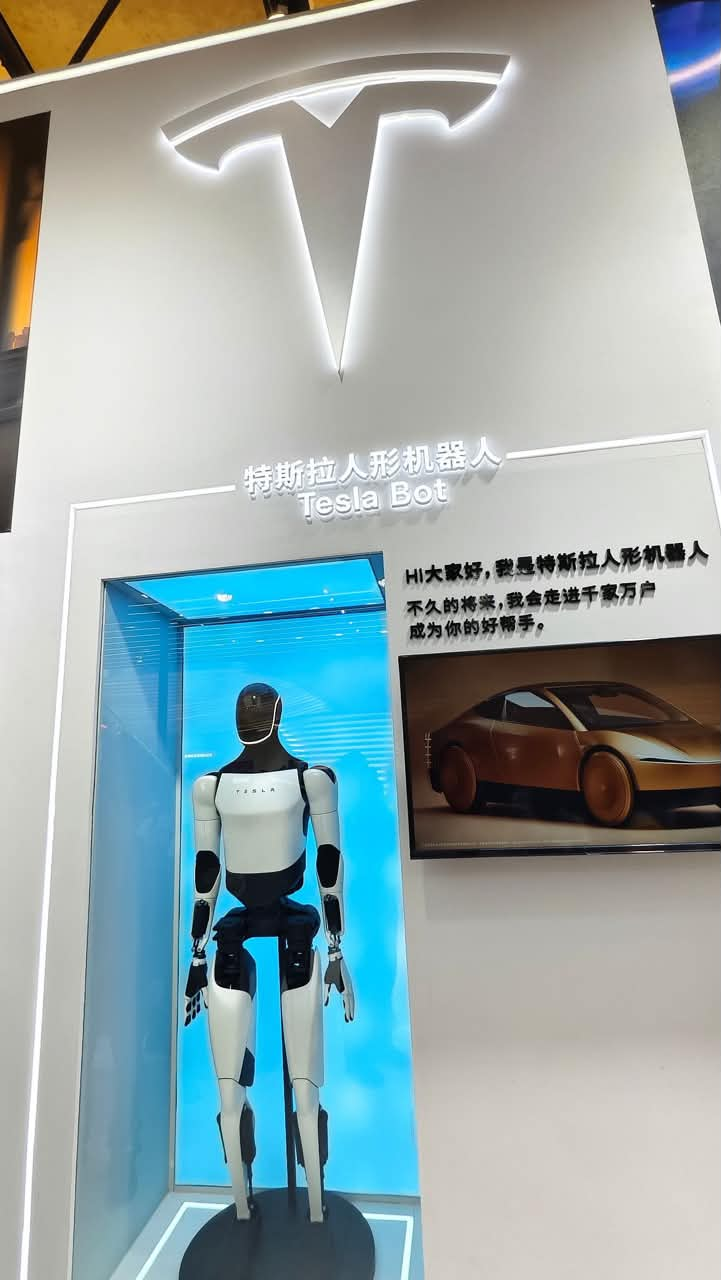
The fitness landscape is in constant flux, perpetually evolving to meet the dynamic needs and aspirations of individuals striving for healthier lives. In this relentless pursuit of optimal well-being, the quest for personalized training has become paramount. Generic workout routines and one-size-fits-all approaches are increasingly being supplanted by bespoke programs designed to cater to individual biometrics, goals, and limitations. As we navigate through 2026, a groundbreaking innovation is rapidly emerging as the next frontier in this personalized fitness revolution: AI-powered personal trainers. These intelligent digital companions are not merely advanced fitness apps; they represent a paradigm shift, poised to redefine how we approach physical activity, offering unparalleled personalization, accessibility, and efficiency. This article will explore how AI personal trainers are set to revolutionize fitness, with a particular focus on their transformative potential within the African context.
What are AI-Powered Personal Trainers?
At their core, AI-powered personal trainers are sophisticated software systems that leverage artificial intelligence and machine learning algorithms to deliver highly customized fitness guidance. Unlike traditional fitness applications that often provide static workout plans, AI trainers are dynamic and adaptive. Their core functionalities include comprehensive data analysis, adaptive programming, and real-time feedback. They meticulously collect and process data from various sources, such as wearable devices, user input, and even computer vision, to understand an individual's unique physiological responses and progress.
The fundamental distinction between AI trainers and their predecessors lies in their ability to learn and adapt. While human personal trainers offer invaluable expertise and motivation, their scalability and affordability can be limiting. Conversely, generic fitness apps, though accessible, often lack the nuanced personalization required for optimal results and injury prevention. AI personal trainers bridge this gap, offering the best of both worlds: data-driven, individualized programs that evolve with the user, delivered with the convenience and cost-effectiveness of a digital platform.
The Benefits of AI in Personalized Fitness
The integration of AI into personal training unlocks a myriad of benefits that were once the exclusive domain of elite athletes or those with significant financial resources.
Unparalleled Personalization
One of the most compelling advantages of AI personal trainers is their capacity for unparalleled personalization. They craft workout plans that are not just tailored but intricately woven around an individual's specific data, encompassing their fitness goals, current fitness level, pre-existing health conditions, and even personal preferences. This goes beyond simple customization; it involves:
- Tailored Workout Plans: AI algorithms analyze vast datasets to design routines that are perfectly aligned with a user's objectives, whether it's weight loss, muscle gain, endurance improvement, or rehabilitation.
- Adaptive Programming: The AI continuously monitors performance, recovery rates, and progress. If a user is excelling, the program intelligently increases intensity; if they're struggling or showing signs of fatigue, it scales back, preventing overtraining and optimizing recovery. This dynamic adjustment ensures that the workout remains challenging yet sustainable.
Enhanced Accessibility and Affordability
AI personal trainers are democratizing access to high-quality fitness guidance. This is particularly impactful in regions where access to certified human trainers or well-equipped gyms might be limited, such as many parts of Africa. By offering sophisticated training at a fraction of the cost of a human trainer, AI solutions are:
- Breaking Down Geographical Barriers: Individuals in remote or underserved areas can now access expert-level fitness coaching from the comfort of their homes.
- Cost-Effectiveness: The affordability of AI-driven platforms makes personalized fitness attainable for a much broader demographic, fostering greater health equity.
Real-time Feedback and Form Correction
Preventing injuries and ensuring exercises are performed correctly are critical for effective training. AI personal trainers are excelling in this area by:
- Utilizing Computer Vision and Sensor Data: Advanced AI systems can analyze movement patterns through smartphone cameras or wearable sensors, providing immediate, precise feedback on form. This virtual coaching helps users correct their posture and technique in real-time, significantly reducing the risk of injury and maximizing the efficacy of each movement.
- Optimizing Exercise Execution: By guiding users through proper form, AI trainers ensure that every repetition contributes effectively to their fitness goals.
Motivation and Engagement
Maintaining motivation is often the biggest hurdle in any fitness journey. AI personal trainers employ various strategies to keep users engaged and committed:
- Gamification and Progress Tracking: They incorporate elements of gamification, rewarding achievements and visualizing progress through intuitive dashboards, making the fitness journey more enjoyable and measurable.
- Data-Driven Insights: By providing clear insights into performance trends and goal attainment, AI trainers offer tangible proof of effort, fostering a sense of accomplishment and encouraging continued participation.
AI Personal Trainers in the African Context
The advent of AI-powered personal trainers holds immense promise for the African continent, where unique challenges often impede widespread access to fitness resources. These challenges include:
- Access to Facilities: Many communities lack modern gym facilities or public spaces conducive to exercise.
- Cost: The expense of traditional personal trainers can be prohibitive for a large segment of the population.
- Specialized Guidance: Access to specialized fitness and health guidance, particularly for specific health conditions or athletic pursuits, can be scarce.
AI personal trainers can directly address these issues by providing high-quality, affordable, and accessible fitness solutions. Furthermore, there is significant potential for these platforms to incorporate localized content and culturally relevant fitness approaches. Imagine AI trainers that understand traditional African dance forms as legitimate workouts, or that integrate indigenous dietary knowledge into nutrition plans. This cultural sensitivity could significantly enhance adoption and effectiveness. For instance, an AI trainer could guide users through exercises inspired by traditional African movements, or suggest meal plans utilizing locally sourced, nutritious ingredients, making fitness feel more familiar and integrated into daily life.
Challenges and Considerations
Despite their immense potential, the widespread adoption of AI personal trainers is not without its challenges:
- Data Privacy and Security Concerns: The collection of sensitive personal health and biometric data necessitates robust privacy protocols and transparent data handling policies.
- The Human Element: While AI excels at data processing and pattern recognition, it currently lacks the empathy, nuanced understanding of complex emotional states, and intuitive judgment that human trainers bring, especially in situations requiring complex injury rehabilitation or deep psychological motivation.
- Digital Divide: Unequal access to reliable internet connectivity and smart devices across different regions of Africa could create disparities in who can benefit from these technologies.
The Future of Fitness: A Hybrid Approach?
Looking ahead, the most effective future of fitness likely lies in a hybrid approach, where AI and human trainers work in synergy. AI can handle the data-intensive tasks, personalized programming, and real-time feedback, freeing human trainers to focus on motivation, emotional support, complex problem-solving, and fostering a sense of community. This collaborative model could offer the ultimate personalized and holistic fitness experience.
Conclusion
AI-powered personal trainers are more than just a fleeting trend; they represent a fundamental shift in how we perceive and engage with fitness. By offering unprecedented levels of personalization, enhancing accessibility, and providing intelligent, real-time guidance, they are poised to transform the global fitness industry. For Africa, this technology presents a unique opportunity to leapfrog traditional barriers, making high-quality fitness guidance available to millions. As we embrace this technological evolution, the future promises a healthier, more active world, where our workout companion is not just smart, but truly understands us. The journey to a fitter 2026 and beyond is increasingly becoming an intelligent one.

Comments (0)