


Functional Fitness for Everyday Life: Building Strength Beyond Aesthetics
While these goals can be motivating, a growing movement in the fitness world is shifting the focus from how we look to how we perform in our daily lives.
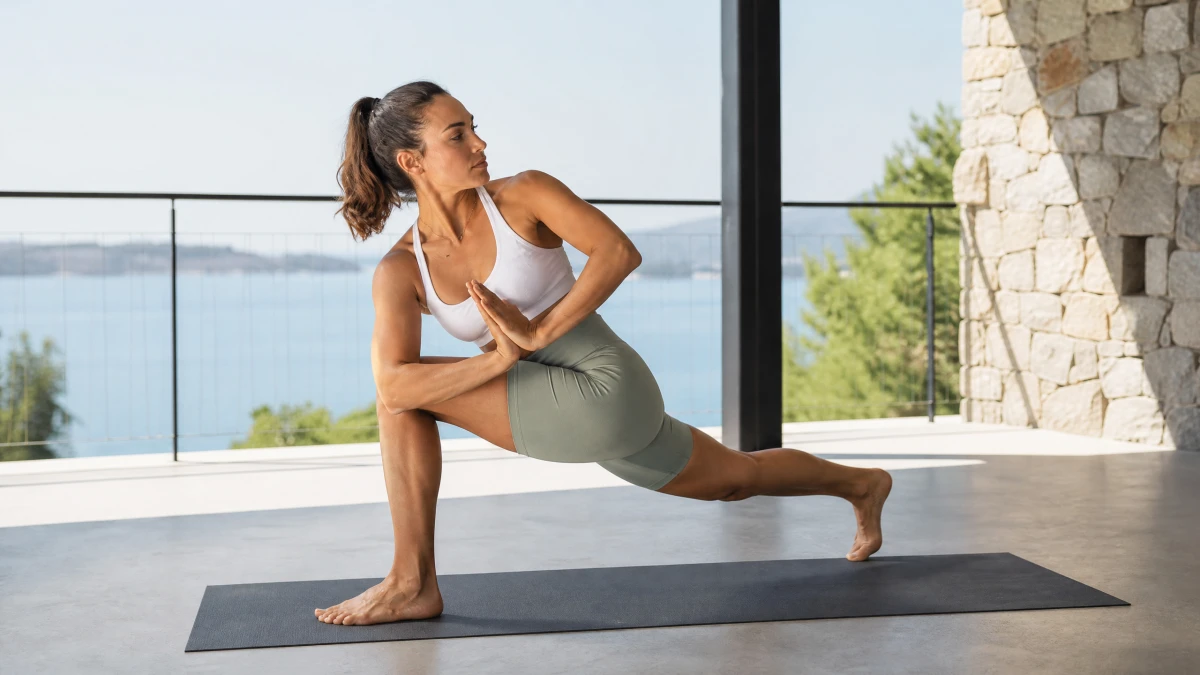
In the pursuit of fitness, many often focus on achieving a certain aesthetic – sculpted muscles, a flat stomach, or a specific body weight. While these goals can be motivating, a growing movement in the fitness world is shifting the focus from how we look to how we perform in our daily lives. This movement is functional fitness, and in 2026, it's gaining significant traction, particularly among busy professionals and individuals seeking a more practical approach to health. Functional fitness is about building strength, mobility, and endurance that directly translates to the movements we make every day, making tasks easier, preventing injuries, and enhancing overall quality of life. This article will explore the principles of functional fitness, its profound benefits, and how it can be integrated into your routine to build strength that truly serves your everyday existence.
What is Functional Fitness?
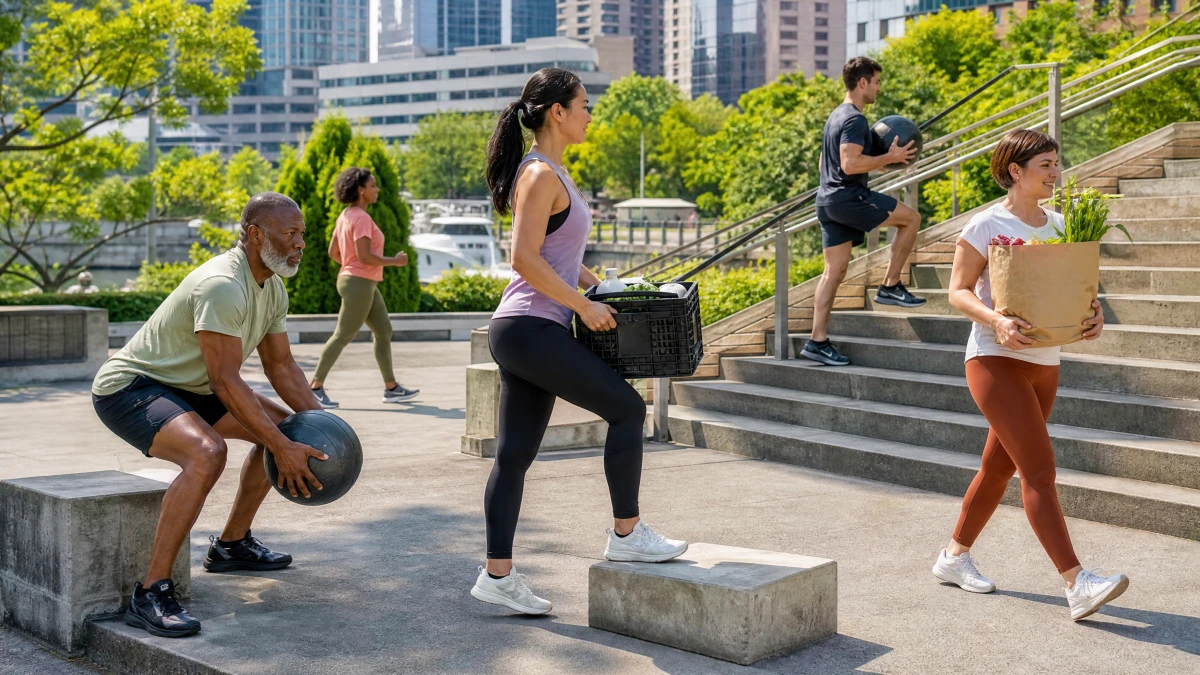
Functional fitness training involves exercises that mimic real-life movements and activities. Instead of isolating individual muscles, functional workouts engage multiple muscle groups simultaneously, often incorporating movements across different planes of motion. Think about lifting groceries, carrying a child, climbing stairs, or reaching for something on a high shelf – these are all functional movements. Functional fitness aims to improve your ability to perform these and other daily tasks with ease, efficiency, and reduced risk of injury.
Key characteristics of functional fitness include:
- Multi-joint movements: Exercises that involve the movement of several joints at once (e.g., squats, lunges, presses).
- Core engagement: A strong core is fundamental to almost all functional movements, providing stability and transferring power.
- Balance and coordination: Many exercises challenge your balance and coordination, improving proprioception (your body's awareness in space).
- Mimicking daily activities: The exercises are designed to replicate patterns of movement you use outside the gym.
The Benefits of Functional Fitness
The advantages of incorporating functional fitness into your routine extend far beyond superficial aesthetics:
1. Improved Daily Performance
The most direct benefit is the enhanced ability to perform everyday tasks. Lifting, bending, pushing, pulling, and twisting become easier and safer. This translates to less fatigue, greater independence, and a higher quality of life, especially as we age.
2. Injury Prevention
By strengthening the muscles used in daily movements and improving balance and coordination, functional fitness significantly reduces the risk of injuries. It helps correct muscular imbalances and teaches your body to move more efficiently, protecting joints and ligaments from strain.
3. Enhanced Mobility and Flexibility
Functional training often involves a full range of motion, which helps to improve joint mobility and overall flexibility. This is crucial for maintaining agility and preventing stiffness, allowing for a more active and comfortable lifestyle.
4. Better Posture and Core Strength
Many functional exercises inherently engage the core muscles, leading to improved core strength and stability. A strong core is the foundation of good posture, reducing back pain and promoting a more confident stance.
5. Increased Calorie Burn
Because functional exercises engage multiple muscle groups simultaneously, they tend to be more metabolically demanding than isolated exercises. This leads to a higher calorie burn during and after your workout, contributing to effective weight management.
6. Adaptability and Accessibility
Functional fitness can be performed almost anywhere, often requiring minimal or no equipment. Bodyweight exercises, resistance bands, and everyday objects can be utilized, making it highly adaptable for home workouts, outdoor sessions, or even quick breaks at the office.
Integrating Functional Fitness into Your Routine
Incorporating functional fitness doesn't mean abandoning all other forms of exercise. Instead, it's about shifting your perspective and prioritizing movements that serve a purpose beyond muscle isolation. Here are some ways to integrate it:
- Compound Lifts: Exercises like squats, deadlifts, overhead presses, and rows are excellent functional movements that build full-body strength.
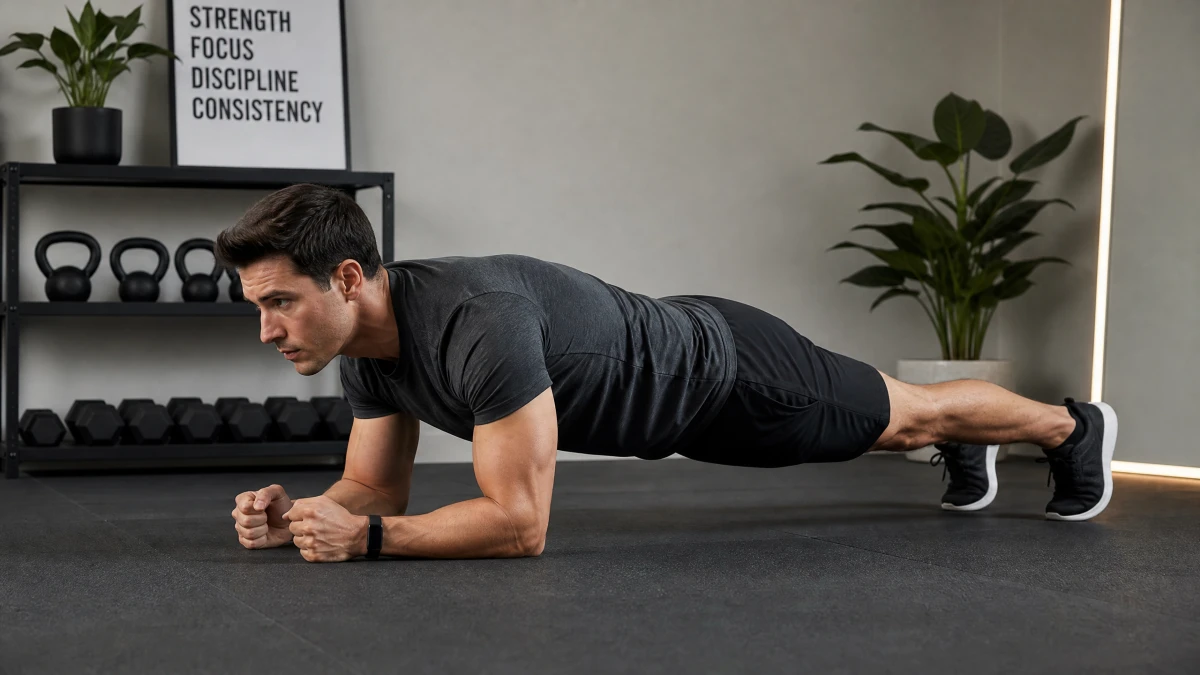
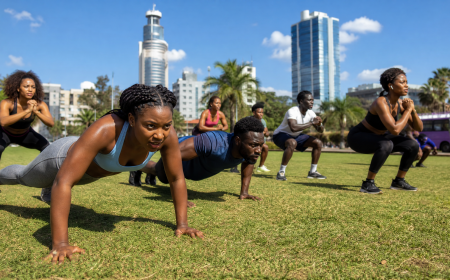
- Bodyweight Exercises: Push-ups, pull-ups, lunges, planks, and burpees are highly effective for building functional strength and endurance.
- Unilateral Training: Exercises that work one side of the body at a time (e.g., single-leg squats, single-arm rows) improve balance and address muscular imbalances.
- Plyometrics: Jumping and explosive movements enhance power and agility, crucial for reactive daily tasks.
- Use Everyday Objects: Instead of dumbbells, try lifting a bag of groceries. Instead of a kettlebell swing, practice safely lifting a heavy box.
- Focus on Movement Patterns: Think about pushing, pulling, squatting, hinging, rotating, and carrying – and build exercises around these fundamental human movements.
Functional Fitness for Busy Professionals
For busy professionals, functional fitness is particularly appealing due to its efficiency and direct impact on daily well-being. Short, intense functional workouts can be incredibly effective, addressing the physical demands of long hours at a desk, frequent travel, and the need for sustained energy. By focusing on movements that counteract sedentary lifestyles, functional fitness helps prevent common ailments like back pain and stiffness, ensuring that energy is available for both work and personal life.
Functional fitness represents a holistic and practical approach to physical well-being. By prioritizing movements that enhance our ability to navigate the demands of everyday life, it offers benefits that transcend mere aesthetics – leading to improved performance, reduced injury risk, and a significantly enhanced quality of life. In 2026, as we seek more meaningful and sustainable ways to stay healthy, functional fitness stands out as a powerful methodology for building strength that truly matters. It's time to train not just for the mirror, but for life itself.


Comments (0)