


Wearable Tech Evolution: How Smart Devices are Redefining Your Fitness Journey
From simple pedometers to sophisticated smartwatches and rings, these devices have seamlessly integrated into our daily lives, transforming how we monitor our health, track our fitness, and understand our bodies.

In the dynamic world of health and wellness, few innovations have had as profound an impact as wearable technology. From simple pedometers to sophisticated smartwatches and rings, these devices have seamlessly integrated into our daily lives, transforming how we monitor our health, track our fitness, and understand our bodies. As we navigate through 2026, the evolution of wearable tech continues at an exhilarating pace, offering increasingly advanced features that are not just tracking data but actively redefining our fitness journeys. This article explores the latest advancements in smart devices, their impact on motivation and progress tracking, and how they are empowering individuals across Africa to take greater control of their well-being.
The Journey of Wearable Tech: From Pedometer to Personal Health Hub
The concept of wearable technology for health tracking isn't new. Early iterations, like mechanical pedometers, offered basic step counting. However, the last decade has witnessed an explosion of innovation, propelled by advancements in miniaturization, sensor technology, and artificial intelligence. Today's wearables are far more than simple trackers; they are sophisticated personal health hubs, capable of monitoring a vast array of physiological metrics.
Key Advancements Redefining Fitness
1. Comprehensive Biometric Tracking
Modern wearables go far beyond steps and calories. They now offer real-time and continuous monitoring of critical biometrics, providing a holistic view of health:
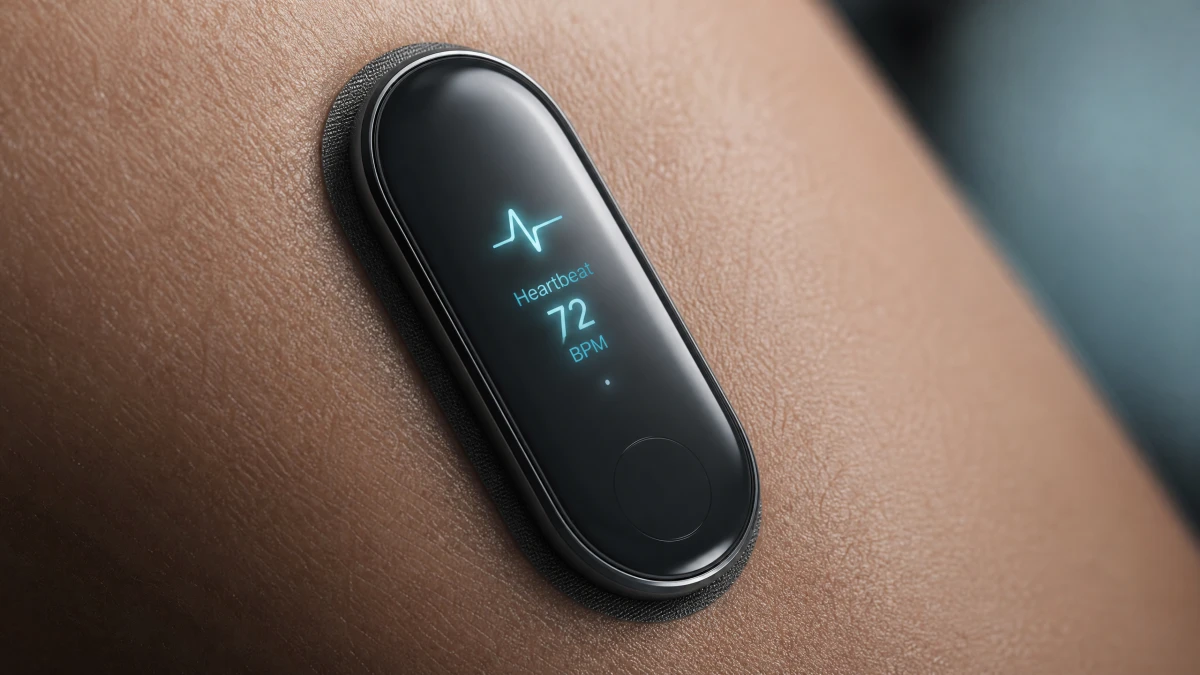
- Heart Rate Variability (HRV): A key indicator of recovery and stress levels, HRV tracking helps users understand their body's readiness for exercise and optimize rest periods.
- Sleep Stages and Quality: Detailed analysis of sleep cycles (REM, deep, light) provides insights into recovery, mental acuity, and overall well-being, offering actionable advice for better rest.
- Blood Oxygen Saturation (SpO2): Important for understanding respiratory health and adaptation to altitude, particularly relevant for athletes.
- Skin Temperature: Can indicate illness, menstrual cycle phases, or changes in metabolic rate.
- ECG (Electrocardiogram): Some devices offer medical-grade ECG capabilities, allowing users to detect potential heart rhythm irregularities early.
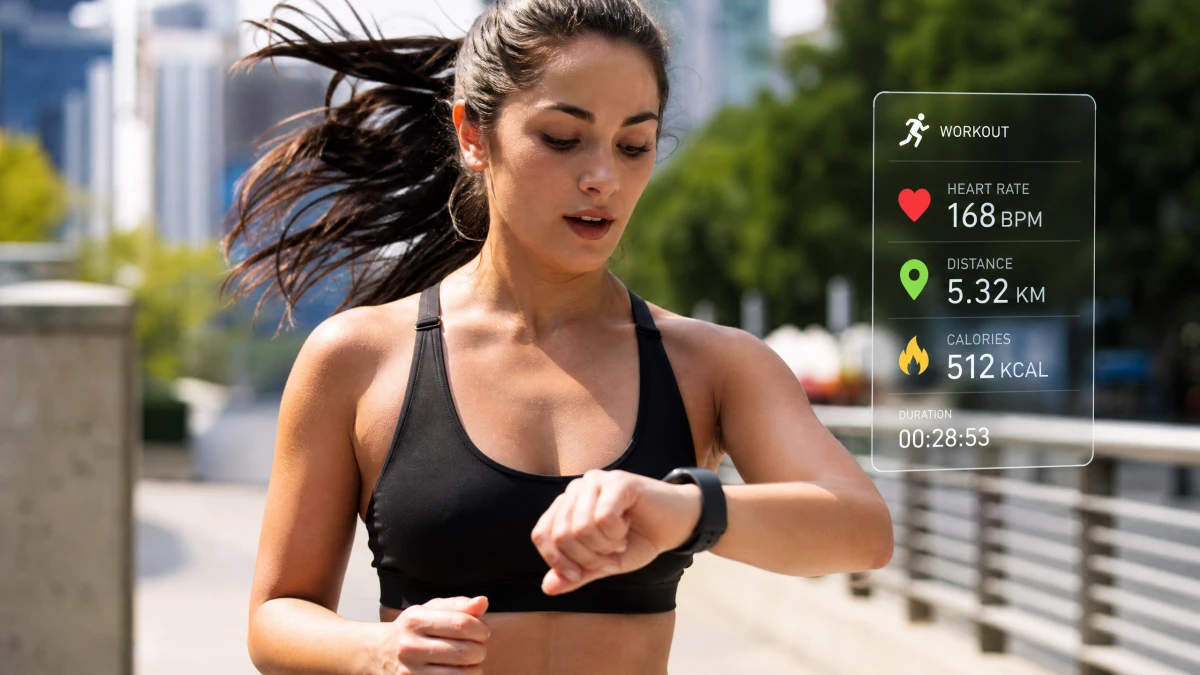
2. Advanced Activity Recognition and Coaching
Wearables are becoming smarter at understanding and guiding our movements:
- Automatic Exercise Detection: Devices can now accurately identify various activities, from swimming to cycling to weightlifting, often without manual input.
- Form Analysis and Feedback: Some advanced wearables, coupled with AI, can analyze exercise form (e.g., squat depth, running gait) and provide real-time corrective feedback, akin to a digital coach.
- Personalized Workout Suggestions: Based on recovery data, fitness levels, and goals, wearables can suggest optimal workouts for the day, preventing overtraining and maximizing effectiveness.
3. Seamless Integration and Ecosystems
The true power of wearable tech lies in its integration with broader digital health ecosystems:
- Smartphone and App Integration: Data from wearables syncs effortlessly with smartphone apps, providing intuitive dashboards, historical trends, and goal-setting features.
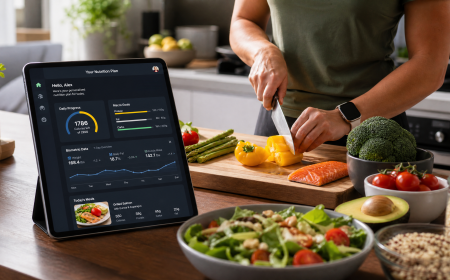
- Third-Party App Connectivity: Integration with nutrition apps, meditation platforms, and even smart home devices creates a comprehensive wellness network.
- Cloud-Based Analytics: Leveraging cloud computing, these devices can process vast amounts of data, offering deeper insights and predictive analytics about health trends.
4. Enhanced Motivation and Engagement
Wearables are masters of motivation, turning fitness into an engaging and rewarding experience:
- Goal Setting and Progress Visualization: Clear, quantifiable goals and visual progress trackers keep users informed and inspired.
- Gamification: Challenges, badges, and leaderboards introduce a fun, competitive element, encouraging consistent activity.
- Haptic Feedback and Smart Alarms: Gentle vibrations for movement reminders, smart alarms that wake you during light sleep, and notifications for health metrics keep users engaged without being intrusive.
Wearable Tech in the African Context
The adoption of wearable technology is rapidly accelerating across urban Africa. As smartphone penetration increases and digital literacy grows, these devices are becoming invaluable tools for health management:
- Bridging Healthcare Gaps: In regions where access to traditional healthcare infrastructure might be limited, wearables offer a first line of defense for monitoring vital signs and detecting early warning signs of health issues.
- Promoting Preventive Health: By making health data accessible and understandable, wearables empower individuals to adopt more proactive and preventive health behaviors.
- Community Fitness Initiatives: Wearables facilitate participation in virtual challenges and community fitness groups, fostering a sense of collective well-being.
- Localized Health Insights: As AI models become more sophisticated, there's potential for wearables to offer health insights tailored to specific regional health challenges and dietary patterns.
The Road Ahead: Challenges and Future Prospects
Despite the rapid advancements, challenges remain. Data privacy and security are paramount concerns, as is ensuring equitable access to these technologies across socio-economic divides. The accuracy of some sensors and the interpretation of complex data also require continuous improvement and user education.
Looking forward, we can anticipate even more sophisticated wearables. Expect devices that are more discreet, seamlessly integrated into clothing or even implanted. Predictive analytics will become more precise, offering personalized health forecasts and interventions. The convergence of AI, biotech, and wearable sensors promises a future where our devices don't just track our health but actively guide us towards optimal well-being.
Wearable technology has moved beyond a niche gadget to an indispensable companion in our fitness journeys. In 2026, smart devices are not merely passive data collectors; they are active participants, offering personalized insights, real-time coaching, and powerful motivation. By empowering individuals with a deeper understanding of their bodies and fostering proactive health behaviors, wearable tech is truly redefining what it means to be fit and healthy. As these innovations continue to evolve, they promise an even more connected, informed, and optimized future for personal well-being, especially within the vibrant and growing digital landscape of Africa.



Comments (0)